
Welcome Note
Two Years of NIST CSF 2.0: Shaping the Next Phase of Cybersecurity Programs
The recent anniversary of the NIST Cybersecurity Framework 2.0 offers an opportunity to reflect on how the framework is influencing cybersecurity strategies across industries.
Since its release, on February 26, 2024, CSF 2.0 has expanded the conversation around cybersecurity governance. The addition of the 'Govern' function signaled a shift, emphasizing that cybersecurity is not only a technical discipline but also a leadership and enterprise risk responsibility. Govern' function signaled a shift, emphasizing that cybersecurity is not only a technical discipline but also a leadership and enterprise risk responsibility.
Over the past year, many organizations have begun aligning their programs with this broader perspective. Security leaders are working more closely with executive teams, legal departments, and risk management functions to ensure that cybersecurity decisions support business objectives.
Another notable trend is the growing focus on framework interoperability. Organizations are increasingly mapping CSF 2.0 with other standards and requirements, including regulatory obligations and operational frameworks, to create a more unified approach to risk management.
At Securim, we continue to see CSF 2.0 serve as a practical foundation for organizations seeking clarity, structure, and measurable improvement in their cybersecurity programs.
As the year progresses, the focus will increasingly shift from understanding the framework to operationalizing it across the enterprise.
Welcome to the March issue of Your Cyber & Compliance Compass.
Subscribe to Your Cyber & Compliance Compass
Community Engagement
Strong cybersecurity ecosystems are built through collaboration. Over the past month, Securim has continued to engage with the regional security community through events that bring together practitioners, technology leaders, and policy experts.
These forums create opportunities to exchange ideas, discuss emerging risks, and explore how organizations are adapting their strategies in response to rapid technological change, particularly in areas such as artificial intelligence, critical infrastructure protection, and supply-chain security.
Community engagement remains an important part of strengthening the broader cybersecurity landscape, helping organizations learn from one another and build more resilient systems together.
March included several notable regional events focused on cybersecurity, enterprise risk, and defense technology innovation.
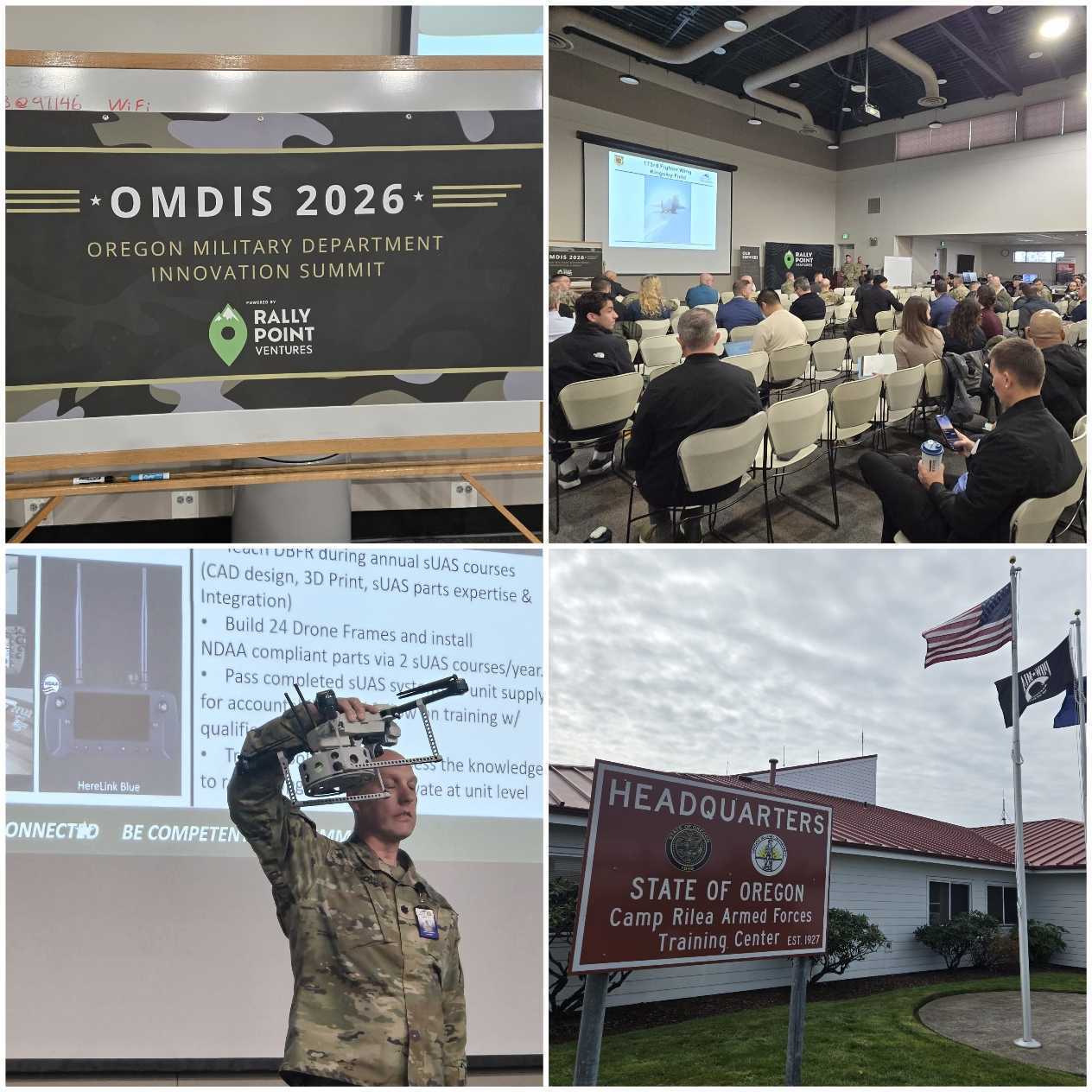
March 23-24: Oregon Military Department Innovation Summit (OMDIS) 2026
March 12: WANUG March 2026 - Network to Code, Bellevue, WA
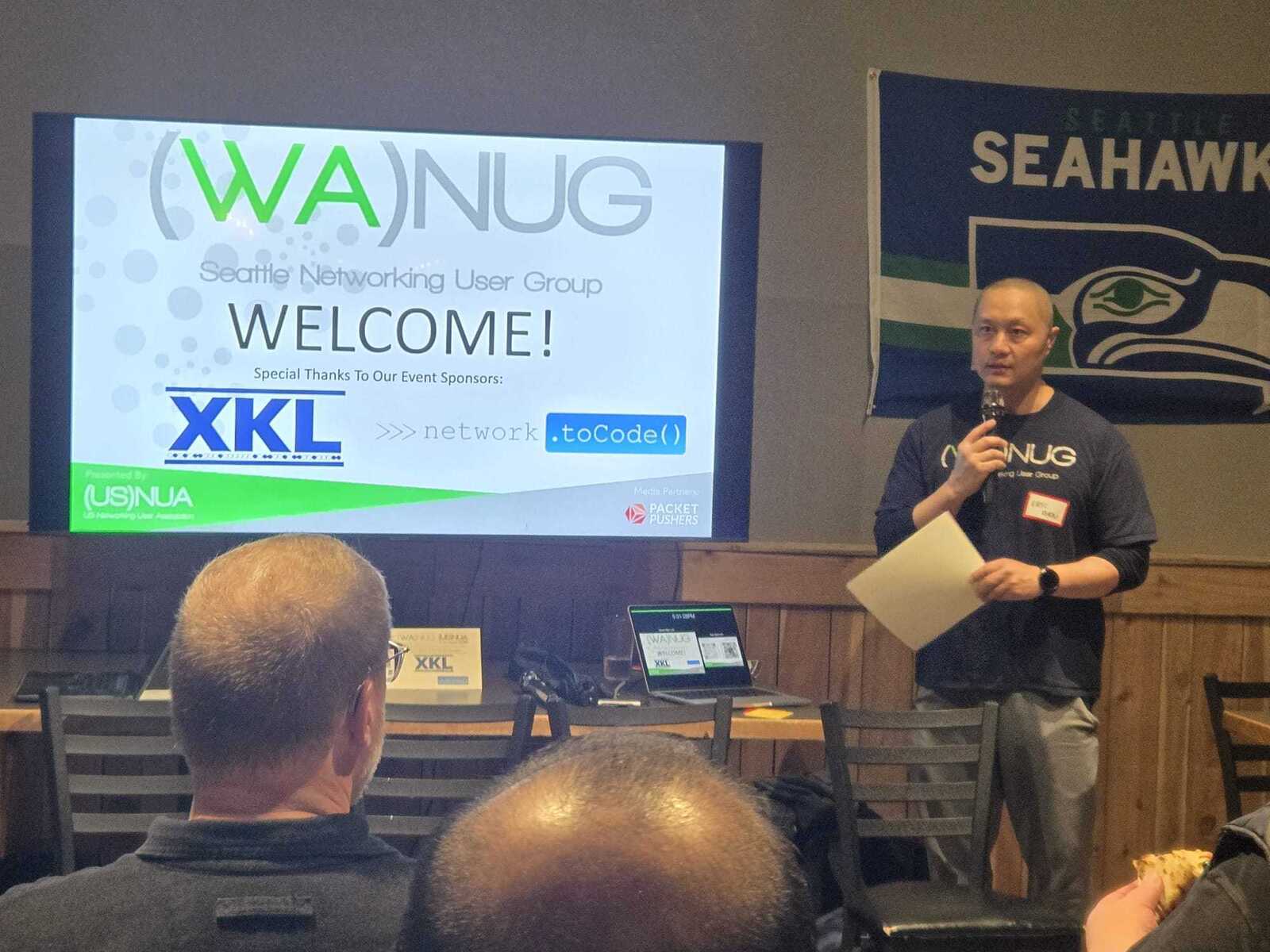
(WA)NUG provides a forum for networking professionals, engineers, and cybersecurity practitioners to discuss evolving network architectures, operational challenges, and security considerations across enterprise environments.
Events like these continue to strengthen the regional cybersecurity and technology community through knowledge sharing and professional collaboration.
March 10: ISACA - Scalable Hub & Spoke Foundations for AI and Enterprise Risk, Bellevue, WA
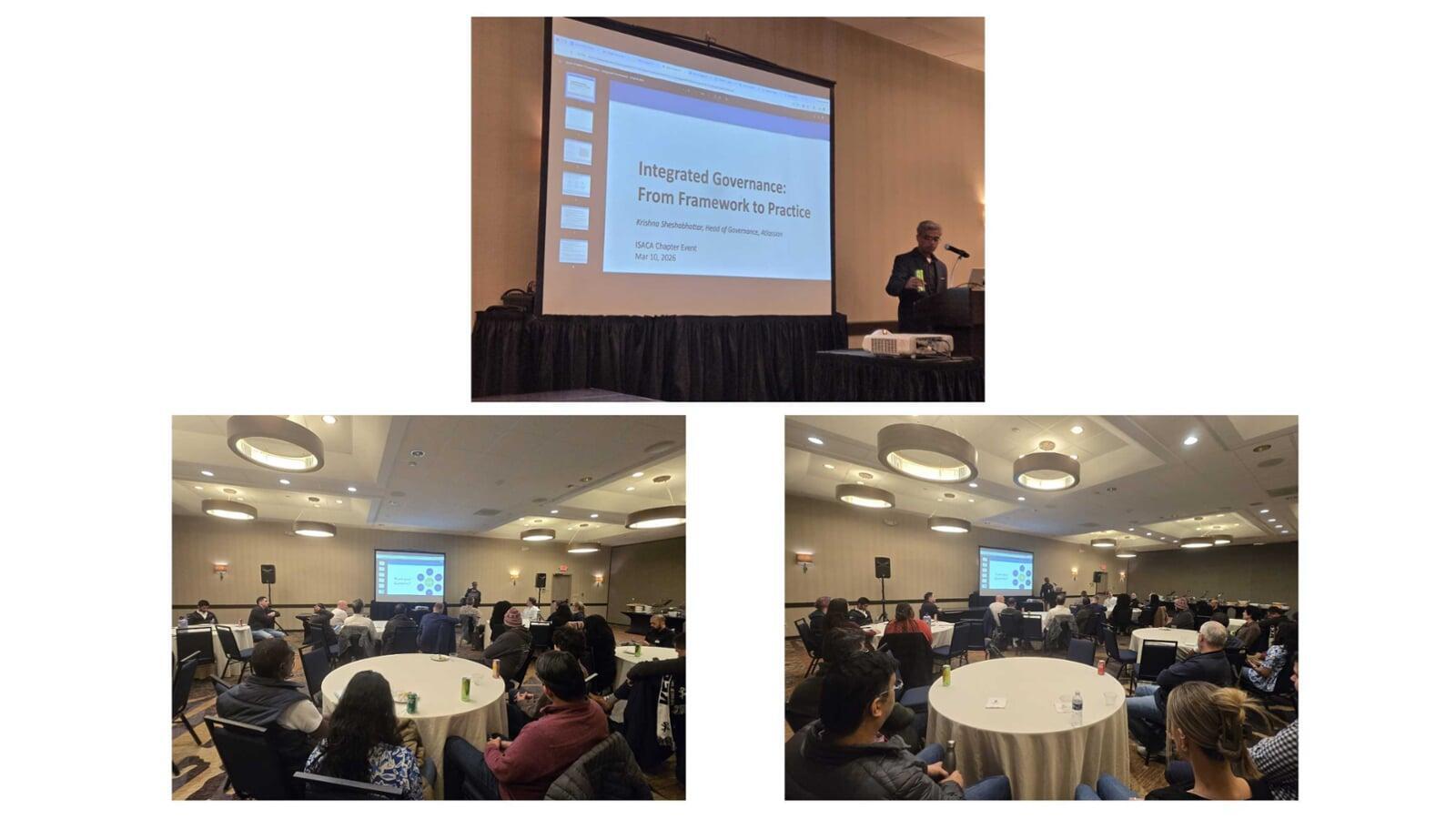
One of the upcoming sessions hosted by the ISACA Puget Sound Chapter explored how organizations can scale AI governance and risk management programs.
The session focused on practical approaches for building scalable AI governance models that balance innovation with risk oversight. As AI adoption accelerates across enterprises, frameworks that support centralized strategy with distributed execution are becoming increasingly important.
Framework Focus: NIST Cybersecurity Framework 2.0
The NIST Cybersecurity Framework 2.0 has quickly become one of the most influential frameworks shaping modern cybersecurity programs.
Originally developed by the National Institute of Standards and Technology, the framework provides a structured approach to identifying, managing, and reducing cybersecurity risk across organizations of all sizes and sectors.
CSF 2.0 builds upon the original framework with several important enhancements:
Govern Function Establishes cybersecurity oversight at the leadership and organizational level
Expanded Applicability Designed for organizations beyond critical infrastructure sectors
Improved Implementation Guidance Helps organizations operationalize the framework more effectively
Stronger Integration with Enterprise Risk Management Encourages cybersecurity to be managed alongside other organizational risks
Many organizations are now using CSF 2.0 as a strategic anchor for aligning multiple compliance and security initiatives, including regulatory requirements, internal governance programs, and third-party risk management.
Rather than functioning as a checklist, CSF 2.0 is most effective when used as a living framework, one that evolves alongside business operations, technology adoption, and the threat landscape.
Learn more about how Securim helps organizations operationalize CSF 2.0: https://www.securim.com/nist-framework
Closing Note
Until next time, stay focused, stay resilient, and keep moving forward with purpose.
Upcoming Cybersecurity and Compliance Events
PNDC - Senior Executive Dinner
Global Security Tour 2026: Microsoft Keynote + Women in Tech + Hackathon
April 4th, 2026
Why this matters: Highlights the intersection of cybersecurity, innovation, and talent development; fostering collaboration, advancing inclusion, and exploring next-generation security solutions.
2026 JCATI Symposium
March 23, 2026 to March 24, 2026
Why this matters: JCATI helps WA aerospace companies move innovative technologies into production. The symposium highlights 2025-26 JCATI funded technology projects along with expert aerospace speakers.